Cart
0
Last Updated: November 19, 2026
Quick Summary
Modern living room style is built on clean lines, negative space, and a cohesive aesthetic that ties every piece to one clear idea. Start with spatial planning and a neutral palette, then add textural contrast so the room reads considered rather than cold.
- Pick three words for your room and test every purchase against them.
- A common modern palette ratio is roughly 60 percent base, 30 percent secondary, and 10 percent accent.
- Keep at least one clear walkway of roughly 60-90 cm through a small living room.
- Choose pieces that do two jobs, like a convertible velvet loveseat with a pullout bed.
- Repaint one wall in a warm neutral instead of replacing furniture on a budget.
Ready to refresh your living room?Curated furniture, wall art, and lighting for a calm, cohesive modern space.
Shop Modern Living Room
Table of Contents
- What Modern Living Room Style Actually Means
- Modern Living Room Furniture Layout: Spatial Planning That Works
- Modern Living Room Color Schemes: Neutral Palettes and Earth Tones
- Modern Living Room Wall Design: Art, Texture, and Statement Lighting
- Modern Living Room Design for Small House Living
- Textural Contrast and Layering: How to Stop Modern Feeling Cold
- Budget-Smart Modern: DIY Touches, Smart Devices, and Material Care
- Pulling Your Modern Living Room Together with Domicile Digs
- Frequently Asked Questions
What Modern Living Room Style Actually Means
Modern living room style is a design approach built on clean lines, negative space, and a cohesive aesthetic that ties every piece to one clear idea.
The style rewards restraint. Fewer pieces, chosen well, beat a room full of good intentions. That is the first thing most people get wrong.
Modern in the design sense does not mean "new." It means a specific set of choices: sleek silhouettes, a functional layout, and a neutral color palette that lets shape and texture do the talking.
Clean Lines, Negative Space, and a Cohesive Aesthetic
Clean lines keep the eye moving. Negative space gives those lines somewhere to breathe. A cohesive aesthetic means every piece answers to the same brief.
Skip the cohesive part and you get a room that looks like a showroom, not a home. Pick three words for your room, such as calm, warm, tailored, and test every purchase against them.
Where Modern Borrows from Mid-Century and Scandinavian Design
Modern design did not appear from nowhere. Mid-century modern gave it tapered legs, organic curves, and a love of wood grain. Scandinavian influence added light, function, and a softer palette.
You can see both in the way modern rooms mix a hard frame with soft upholstery. The blend is why the look feels timeless rather than trend-driven.
Modern Living Room Furniture Layout: Spatial Planning That Works
Start with spatial planning before you buy a single piece. Measure the room, mark the traffic paths, and decide where the focal point lives. Everything else follows.
A functional layout keeps at least one clear walkway through the room. Pull furniture off the walls where space allows. Floating a sofa on a rug instantly makes a room feel larger and more intentional.
Choosing a Focal Point and Building Around It
Every modern living room needs one focal point. A fireplace, a window, a piece of art, or a media wall all work.
If your room has no obvious focal point, create one. A single large artwork above a low console does the job. So does a statement light fixture.
Watch out: pushing every piece against the walls is the most common layout mistake. It makes a room feel like a corridor.
Modern Living Room Color Schemes: Neutral Palettes and Earth Tones
A neutral color palette is the backbone of modern living room color schemes, but "neutral" is a wider range than most people assume. Whites, warm greys, and earth tones give you a calm base that is easy to update later, provided you understand undertones before you buy.
Read Undertones Before You Commit
Every neutral leans warm (yellow, red, or orange base) or cool (blue, green, or violet base). A warm greige and a cool grey can look identical in a store and clash badly once they are on a large wall under daylight. Holding paint chips against a white sheet of paper in the actual room, at morning and evening light, helps before committing.
A Workable Modern Palette Ratio
A common pattern in modern rooms is roughly 60 percent base, 30 percent secondary, and 10 percent accent. The base is your wall and largest upholstery tone (chalk white, warm greige, sand). The secondary is the rug, curtains, or a second seating piece one or two shades deeper (stone, mushroom, taupe). The accent is the 10 percent, a muted olive cushion, a terracotta vase, a single ochre throw. Too many accents and the room loses its calm; the 10 percent ceiling is what keeps it disciplined.
Named Tones That Read as Modern
Rather than guessing, work from a shortlist of tones that consistently read modern: chalk and off-white for walls, warm greige and mushroom for upholstery, stone and sand for rugs, and muted olive, clay, or ochre for accents. Layer tones within the neutral range rather than reaching for high contrast, cream, sand, and stone read as one family, which is the trick behind rooms that look expensive without shouting.
Test the Palette Against Fixed Elements
Your floor, kitchen cabinetry, and any stone surfaces are fixed. Photograph them in daylight and compare paint samples against the photo, not against memory.
Watch out: buying accent pieces before the base is settled is the most common color mistake, accents chosen against a store's lighting rarely survive contact with your actual walls.
A modern palette is easier to hold together when you know the ratio and the tones that carry it.
| Element | Share or tone | Note |
|---|---|---|
| Base | Roughly 60 percent | Wall and largest upholstery tone: chalk white, warm greige, sand |
| Secondary | Roughly 30 percent | Rug, curtains, or second seating one or two shades deeper |
| Accent | 10 percent ceiling | Muted olive cushion, terracotta vase, single ochre throw |
| Walls | Chalk and off-white | Consistently read as modern |
| Upholstery | Warm greige and mushroom | Layer within the neutral range |
| Rugs | Stone and sand | Read as one family with cream |
| Grounding tones | Charcoal and espresso | Keep below the 30 percent secondary share |
Modern living room palette ratio by share
Base Roughly 60 percent
Secondary Roughly 30 percent
Accent 10 percent ceiling
Modern Living Room Wall Design: Art, Texture, and Statement Lighting
Modern living room wall design works best when walls stay quiet and one element carries the room.
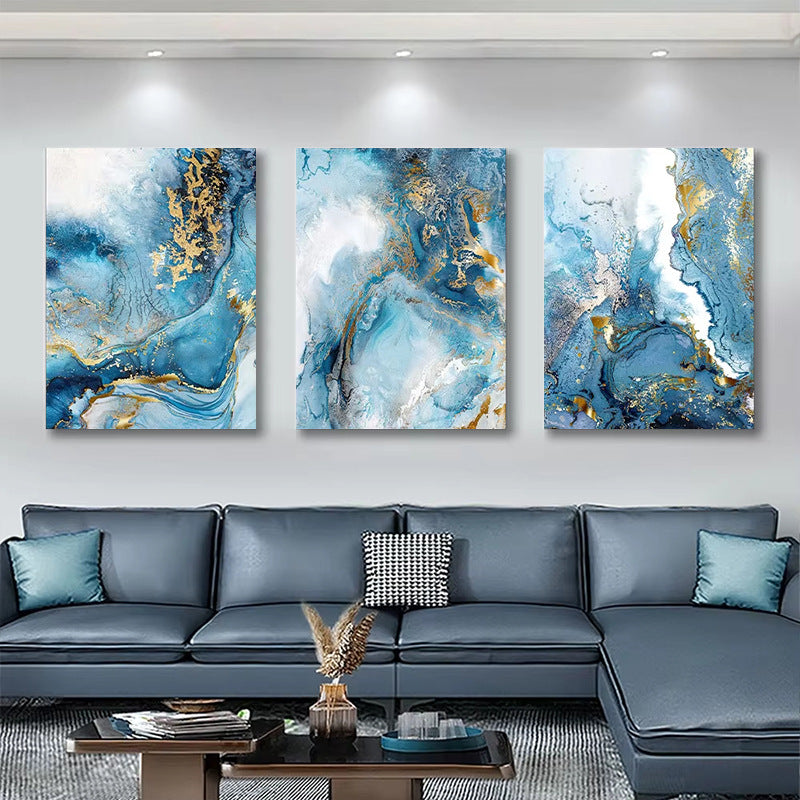
For art, one large piece beats a cluster of small frames. A modern abstract curved canvas painting adds shape without clutter and suits a minimalist wall.
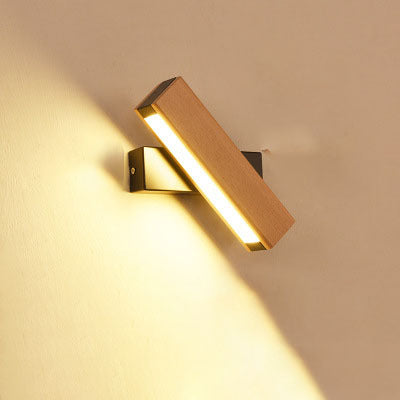
Statement lighting does more than light the room. A modern adjustable wall lamp adds architectural detail and lets you shift light where you need it, which matters in a room used for both work and rest.
Keep the wall behind a statement piece plain. Competing details cancel each other out.
Modern Living Room Design for Small House Living
Small house living changes the rules. In a compact room, every piece must earn its floor space, and the modern look actually helps: clean lines and negative space make a small room read larger, provided you plan storage and circulation before furniture.
Zone One Room Into Two
A small living room often has to be a lounge, an office, and occasionally a guest room. Zone it rather than cramming it. Anchor each zone with a rug or a lighting change, a desk against a wall with its own task lamp reads as a separate zone even in an open plan. Keep at least one clear walkway of roughly 60-90 cm through the room; below that, the space feels like a corridor no matter how good the furniture is.
Choose Pieces That Do Two Jobs
Look for pieces that earn their footprint twice. A convertible velvet loveseat with a pullout bed seats two by day and converts into a sleeper bed. A height-adjustable coffee table with hidden storage can be adjusted to serve as a dining table or workspace. The rule: if a piece only does one thing, it needs to be genuinely beautiful to justify the floor space.
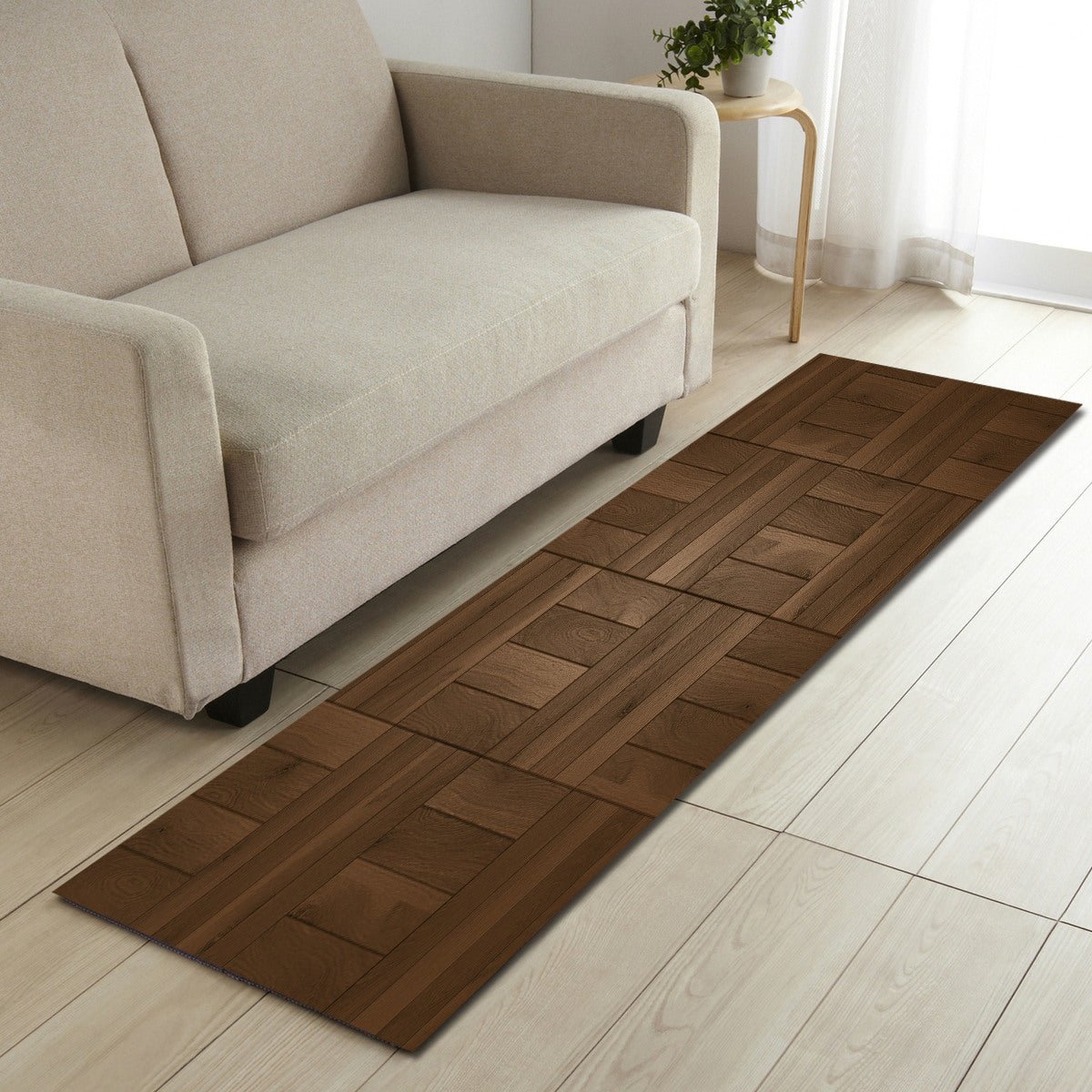
Build Storage Vertically and Invisibly
Floor space is scarce; wall space usually is not. Use tall, narrow shelving rather than wide low units, and take storage up to the ceiling where the room allows. Closed storage beats open storage in a small modern room, a run of handleless cabinets or a media wall with doors hides clutter and keeps the clean-line look intact.
Modular Furniture and Moveable Pieces for Renters
Renters need pieces that move and leave no marks. Modular sofas, freestanding shelving, and rugs over carpet all fit that brief. Nothing drilled, nothing permanent. Choose furniture on legs, it shows more floor, and more visible floor makes a small room read bigger. Keep the palette light for the same reason, and use a large rug to visually extend the floor plane rather than several small rugs that chop it up.
Use Mirrors and Light Deliberately
A large mirror opposite a window doubles the daylight and adds the illusion of depth, one of the few tricks that genuinely works in a small modern room.
Watch out: filling every wall with storage is the most common small-space overcorrection, it solves clutter but makes the room feel like a cupboard, so leave at least one wall deliberately spare.
Textural Contrast and Layering: How to Stop Modern Feeling Cold
Textural contrast is what stops a modern room from feeling like a waiting area.
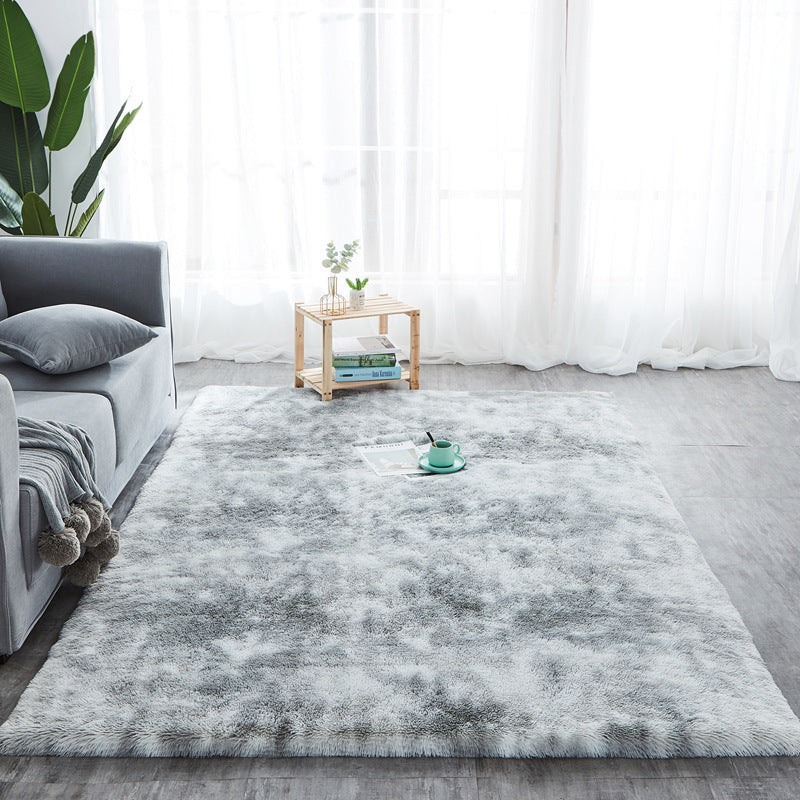
Layering does the rest. A rug, a throw, and two or three cushions in different weaves add depth without adding clutter. A tie-dyed wool carpet adds warmth to a room.
Watch out: matching every texture exactly flattens a room. Vary the weave, the pile, and the finish, but keep the colors close.
Budget-Smart Modern: DIY Touches, Smart Devices, and Material Care
You do not need a big budget to get this look. Budget-smart modern comes down to three moves: do the small things yourself, add smart devices where they save effort, and care for the materials you already own.
- Repaint one wall in a warm neutral instead of replacing furniture
- Swap hardware on cabinets and doors for a sharper line
- Rearrange art and lighting before buying anything new
- Add a smart plug or smart bulb to control ambient lighting from your phone
Material care protects the investment. Care for velvet, wool, and wood according to the manufacturer's instructions.
If you are new to connected devices, a beginner's guide to smart home devices is a starting point for choosing options.
Pulling Your Modern Living Room Together with Domicile Digs
A modern living room comes together when the layout, palette, texture, and light all point the same way.
At Domicile Digs, we curate home essentials for exactly this job.
Start with one anchor piece, build the palette around it, and layer texture last.
Most modern living rooms fail on layout, not on taste. If you are ready to fix that, Domicile Digs can help.
Frequently Asked Questions
How do I make my living room look modern without replacing everything?
Start with the pieces that carry the most visual weight: your sofa, rug, and lighting. A modern living room relies on clean lines and a neutral color palette, so slipcovers, a new rug in earth tones, and one statement light fixture can shift the whole room. Add textural contrast with throws and cushions, clear clutter, and swap wall art for a large abstract canvas. Small changes to layout, like pulling furniture away from the walls, also read as instantly more contemporary.
What colors work best in a modern living room?
Modern living room color schemes lean on neutrals: creamy white, warm gray, soft beige, and earth tones like clay and olive. These give you a calm base that makes accent pieces and textural contrast stand out. Add depth with one darker anchor, such as a charcoal sofa or walnut coffee table, and introduce color through art, pillows, or a single geometric pattern. Keeping the palette tight is what makes a modern living room feel cohesive rather than busy.
How can I make a small living room look modern?
Modern living room design for small house layouts starts with spatial planning. Choose furniture with exposed legs and slim profiles so floor space stays visible, and pick multi-purpose pieces like a height-adjustable coffee table. Use a light neutral palette to bounce natural light, hang art higher to draw the eye up, and keep negative space around your focal point. Mirrors and layered ambient lighting make compact rooms feel larger without structural changes.
How do you make a modern living room feel cozy?
Modern style can read cold when it stops at clean lines. Warm it up with textural contrast: velvet upholstery, a chunky knit throw, a wool rug, and organic materials like wood and rattan. Layer ambient lighting from floor lamps and table lamps instead of relying on one overhead fixture, and add softness with curtains and cushions. A few curated decor pieces, such as a curved abstract canvas or a sculptural vase, add personality without breaking the minimalist look.