Cart
0
Table of Contents
- Measure Your Space and Plan Your Layout
- Choose Appropriately Scaled Furniture
- Small Apartment Decorating Ideas: Color, Lighting, and Focal Points
- Small Apartment Living Room Ideas: Arrangement and Zones
- How to Make a Small Apartment Look Bigger with Mirrors and Light
- Small Apartment Storage Ideas: Vertical Space and Multifunctional Pieces
- Renter-Friendly Decorating Without Permanent Changes
- Frequently Asked Questions
Last Updated: October 8, 2026
Measure Your Space and Plan Your Layout
Most mistakes when you decorate small apartments happen before you buy a single item. They happen because you guessed at dimensions instead of measuring.
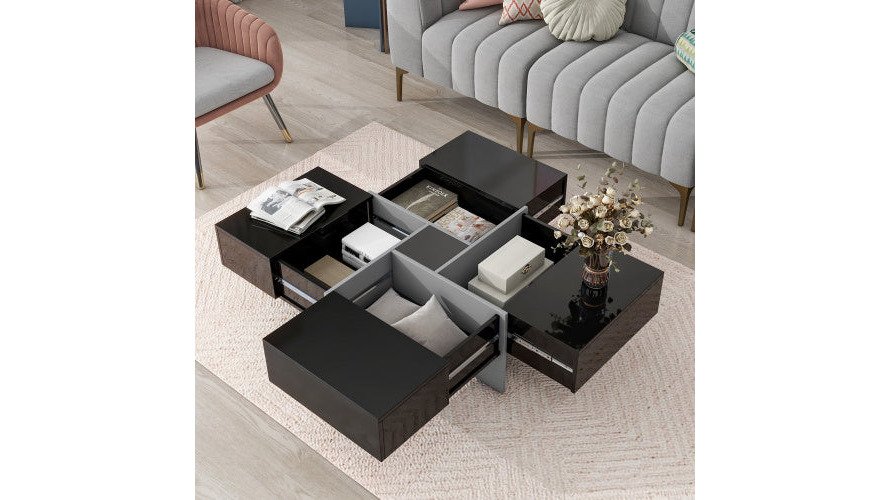
The fix is a simple, repeatable process. Set aside 30-45 minutes with a tape measure, a notebook, and your phone camera. You will end up with a one-page floor plan that prevents costly errors.

Step 1: Measure the room and its fixed elements
Measure the length and width of each room at the floor level. Then measure:
- Doorways: width and height, including the swing direction and how far the door opens.
- Windows: width, height, sill height, and distance from the floor.
- Outlets and switches: mark their locations on your sketch.
- Radiators, vents, and pipes: note anything that protrudes into the room.
- Ceiling height: especially if you are considering tall shelving or a ceiling light.
Write these numbers down. Do not rely on memory.
Step 2: Map your clearances
Furniture needs breathing room. Use these standard clearances as a guide:
- Main walkways: 36 inches (91 cm) minimum for comfortable passage; 30 inches (76 cm) is the absolute minimum for a secondary path.
- Between sofa and coffee table: 14-18 inches (36-46 cm) for easy reach and movement.
- Between sofa and wall: 30-36 inches (76-91 cm) if people walk behind it; 4-6 inches if it sits against the wall.
- Dining table to wall: 36 inches (91 cm) to allow chairs to pull out and people to pass.
- Bed to wall or furniture: 24-30 inches (61-76 cm) on at least one side for making the bed and getting in and out.
- Door swing: keep the full arc clear, typically 32-36 inches (81-91 cm) for interior doors.
If your room cannot accommodate these clearances, you need smaller furniture or a different layout.
Step 3: Sketch a floor plan
Use graph paper or a free digital tool. Draw the room to scale (1 square = 1 foot works well). Cut out paper rectangles for each piece of furniture you own or plan to buy, using their exact dimensions.
This step takes 20 minutes and saves hours of rearranging. You will immediately see if a sofa blocks a doorway or if a dining table leaves no room for chairs.
Step 4: List your must-haves and rank them
Not everything fits. List what the room must do:
- Sleeping
- Seating
- Dining
- Storage
- Workspace
Rank them by importance. In a studio, sleeping and storage usually come first. In a one-bedroom, living and dining may share priority. This ranking guides every later decision.
Step 5: Plan zones before you buy
Assign each must-have to a zone. A studio might have a sleeping zone near the window, a living zone in the center, and a dining zone near the kitchen. Use rugs, lighting, or a console table to mark boundaries. Keep pathways clear between zones.
Pro Tip
Take photos of your empty room from each corner. When you are shopping, you can mentally place a piece in the photo before you commit.
Step 6: Buy in order of impact
Start with the largest piece that anchors the room, usually the sofa or bed. Then add storage, then secondary seating, then decor.
A common pattern among small-space designers is to leave 10-15% of floor space empty. That buffer makes the room feel open and gives you flexibility for future needs.
By the end of this process, you will have a measured plan, a ranked list, and a buying order. That is the foundation every other decorating decision rests on.
Choose Appropriately Scaled Furniture
Oversized furniture is the enemy of small apartment living. A massive sectional or dining table swallows your entire room and leaves no room to move.
Look for furniture with these qualities:
- Compact dimensions: Sofas under 80 inches long, coffee tables under 40 inches wide
- Legs, not skirts: Furniture with visible legs makes rooms feel more open than pieces that sit flush to the floor
- Vertical focus: Taller, narrower pieces work better than wide, squat ones
- Multi-purpose design: Tables that store, ottomans that seat, beds with drawers underneath
Scaled furniture doesn't mean cheap or flimsy. Quality matters.
Consider the Unique Design Coffee Table With 4 Hidden Storage Compartments from Domicile Digs.
Alternatively, the Height-Adjustable Coffee Table transforms from coffee table to dining surface. This flexibility means you buy one piece instead of two, a critical advantage in compact homes.

Small Apartment Decorating Ideas: Color, Lighting, and Focal Points
When you decorate small apartments, your color palette shapes how spacious the space feels. Light, neutral colors, whites, soft grays, warm beiges, reflect light and create an airy atmosphere.
Lighting transforms small apartments more than any other single element. Layered lighting works best:
- Overhead light: Provides general illumination
- Task lighting: Desk lamps, reading lights near seating
- Accent lighting: Wall sconces, under-shelf lighting, decorative fixtures
The Lighting Creative Modern Minimalist Small Apartment fixture from Domicile Digs offers three-color dimming options.
Avoid dark corners. They make rooms feel smaller and more cramped. Instead, place lights strategically to brighten every zone.
Create a focal point in each room, something that draws the eye and anchors the space.
Small Apartment Living Room Ideas: Arrangement and Zones
In small apartments, your living room often doubles as a dining area or sleeping space. Define zones without walls.
Position your sofa to face a window or focal point, not the wall. This opens up the room visually.
If you have a combined living and dining room, separate them subtly:
Unique Design Coffee Table With 4 Hidden Storage Compartments →
- Place a console table behind the sofa to define the boundary
- Use a rug to anchor the living area
- Position dining chairs to face away from the seating zone
- Add a light fixture above the dining spot to signal its purpose
Keep pathways clear. Never block windows or doorways with furniture. Natural light matters more in small spaces than in large ones.
Consider a coffee table that serves double duty.
How to Make a Small Apartment Look Bigger with Mirrors and Light
Mirrors are your secret weapon for making small apartments feel larger. They reflect light and create the illusion of depth.
Reflective surfaces work beyond mirrors too:
- Glass-top tables catch and scatter light
- Shiny metal frames on art or shelves add visual interest
- Light-colored, glossy paint finishes bounce more light than matte ones
- Metallic accents (gold, brass, silver) create shimmer and dimension
Windows are your best friend. Keep them unobstructed. Use sheer curtains instead of heavy drapes. Sheer fabrics filter harsh sunlight while maintaining privacy and letting light flow through.
Maximize natural light by:
- Cleaning windows regularly
- Removing objects from windowsills
- Using light-colored window treatments
- Positioning seating to take advantage of daylight
Artificial light matters equally. Bright, cool-toned bulbs (4000K color temperature) feel more open than warm, dim bulbs. Layer your lighting so you can adjust brightness for different times of day and activities.
Small Apartment Storage Ideas: Vertical Space and Multifunctional Pieces
Storage makes or breaks small apartment living. Without it, clutter takes over and your space shrinks. The solution is thinking vertically. Use walls, not just floor space.
Wall storage options include:
- Floating shelves for books, plants, and decorative items
- Wall-mounted cabinets for hidden storage
- Pegboards for organizing tools and supplies
- Tall, narrow bookcases that maximize vertical real estate
The vidaXL Wall Shelf from Domicile Digs measures 45x16x45 cm with five storage compartments. Its engineered wood construction handles books, plants, and décor while taking minimal floor space.

Multifunctional furniture eliminates the need for extra pieces:
- Ottomans with hidden storage for blankets and magazines
- Beds with drawers underneath for seasonal clothing
- Shelving units that divide rooms while storing items
- Nesting tables that expand when needed
Invest in storage that looks intentional. Open shelving should be styled, not crammed. Closed cabinets hide clutter while keeping items accessible.
Renter-Friendly Decorating Without Permanent Changes
Renters face a specific constraint: every change must be reversible, and every hole must be repairable. The good news is that the rental market has responded with a wide range of damage-free products, and many of them are indistinguishable from permanent installations.
Damage-free hanging: what actually works
Command strips and hooks are the most common solution, but they have weight limits. A standard picture-hanging strip holds 1-4 pounds; heavy-duty strips hold up to 16 pounds. For anything heavier, a large mirror, a wall shelf, or a bike rack, you need a different approach.
Options for heavier items:
- Picture hanging hooks with tiny nails: These leave pinholes that are easily filled with spackle. Many leases allow them.
- Tension rods: For curtains, they require no drilling and distribute pressure between two walls.
- Freestanding shelves: A ladder shelf or cube organizer holds weight without touching the wall.
- Leaning mirrors: A full-length mirror can lean against the wall, secured with a anti-tip strap.
- Adhesive hooks with removable strips: Brands like Command and similar products are designed to release cleanly when you pull the tab.
Watch Out
Always test adhesive strips on a small, hidden area first. Paint finishes vary, and some low-VOC paints are more prone to peeling.
Removable wall treatments
Peel-and-stick wallpaper has improved dramatically. Modern versions are repositionable and remove cleanly for up to several years. Look for products specifically labeled "renter-friendly" or "removable." Avoid applying them to freshly painted walls (wait 30 days) or to textured surfaces.
Other reversible wall options:
- Removable decals: For a focal wall or kids' room.
- Washi tape: For temporary borders or frames.
- Fabric hangings: Use a tapestry or lightweight quilt with a tension rod or adhesive clips.
Furniture as a renter's tool
Since you cannot change the architecture, use furniture to solve problems:
- Room dividers: A bookshelf or folding screen creates separate zones without construction.
- Rugs: Define areas and cover worn flooring.
- Freestanding wardrobes: Add closet space without built-ins.
- Over-the-door organizers: Add storage without drilling.
Check your lease first
Most leases prohibit permanent alterations, but the definition of "permanent" varies. Common allowances include:
- Small nail holes (often up to 1/4 inch) that you patch on move-out.
- Adhesive hooks that remove cleanly.
- Freestanding furniture and shelving.
Common prohibitions include:
- Painting (unless you repaint to the original color).
- Drilling into tile or stone.
- Installing wall anchors.
- Changing light fixtures.
When in doubt, ask your landlord in writing. A quick email can save your security deposit.
Focus your budget on what moves with you
Spend on pieces that will fit your next apartment too: a quality sofa, a bed frame, a versatile shelving unit, and good lighting. Temporary decor, throw pillows, art prints, plants, adds personality at low cost and can be changed easily.
Key Takeaway
Renter-friendly decorating is not about limitation; it is about choosing reversible solutions that still look intentional. With the right products and a quick lease check, you can transform your apartment without risking your deposit.
Command brand damage-free hanging guide
Frequently Asked Questions
How do you decorate a small apartment without making it feel cluttered?
Prioritize multifunctional furniture that serves multiple purposes, like a coffee table with hidden storage compartments. Keep surfaces clear by storing items vertically on wall shelves rather than on floors or tables. Choose a cohesive color palette with 2-3 main colors to create visual continuity. Rotate decorative pieces seasonally instead of displaying everything at once. The key is selecting fewer, higher-quality pieces that you genuinely love rather than filling every corner.
What furniture works best in a small apartment?
Look for pieces with a smaller footprint and dual functions: a height-adjustable coffee table that transforms into a dining surface, wall-mounted shelving instead of floor cabinets, and sofas with built-in storage. Furniture with exposed legs creates visual lightness by allowing sight lines underneath. Glass or transparent pieces like glass-top tables take up visual space without feeling heavy. Measure your doorways and hallways before purchasing to ensure pieces actually fit through your apartment.
How can you add storage to a small apartment on a budget?
Wall shelves are the most affordable option for vertical storage and cost significantly less than floor cabinets. Look for multifunctional pieces like ottomans with hidden compartments or coffee tables with drawers. Under-bed storage containers and over-door organizers maximize unused space. Secondhand furniture from local markets or online resale platforms offers quality pieces at lower prices. Domicile Digs carries options like the Height-adjustable Coffee Table with hidden compartments at $368.53, which combines dining, work, and storage in one piece.
How do you arrange furniture in a small apartment living room?
Start by identifying your focal point, whether that's a window, TV, or accent wall. Position your largest piece, typically the sofa, to face this focal point. Float furniture away from walls to create defined zones and make the space feel intentional rather than cramped. Leave at least 60 centimeters of walking space between furniture pieces. If your living room doubles as a dining area, use a smaller table and position it perpendicular to the sofa to visually separate zones without creating a cluttered feel.